How to Avoid Kitchen Plumbing Mistakes: A Technical Design Guide
The kitchen serves as the primary hydraulic hub of the modern residence. Beyond the simple act of water delivery, it functions as a complex intersection of supply lines, drainage networks, venting systems, and disposal units that must operate in concert. When these systems are designed or installed without rigorous attention to the underlying physics of fluid dynamics, the resulting failures are rarely isolated; they often propagate throughout the structural frame of the house. How to Avoid Kitchen Plumbing Mistakes. The consequences of poor execution—ranging from catastrophic leaks to persistent sewer-gas infiltration—are expensive to remediate and can compromise the building’s long-term material integrity.
Achieving a resilient kitchen plumbing system requires more than adherence to basic code compliance. It demands a sophisticated understanding of how material choice, pipe geometry, and venting configurations influence the performance of the entire home. Property owners and builders often focus on the finish—the faucet, the sink aesthetic, the countertop—while neglecting the mechanical “chassis” that ensures these components function reliably. This disconnect between visual design and mechanical engineering is the root cause of most residential plumbing crises.
This article provides a rigorous, technical examination of the kitchen as a hydraulic system. It moves beyond superficial maintenance tips to explore the engineering principles, structural constraints, and systemic governance required to prevent failure. By framing plumbing as a foundational architectural component, the following sections establish a methodology for evaluating, installing, and maintaining the systems that sustain the domestic environment. The focus remains on systemic health, long-term operational performance, and the prevention of the compounding errors that characterize poorly executed kitchen projects.
Understanding “how to avoid kitchen plumbing mistakes”
Defining “how to avoid kitchen plumbing mistakes” requires a shift away from the view that plumbing is a simple act of connecting tubes. Common misunderstandings often center on the belief that code compliance is the ceiling of quality, rather than the floor. Oversimplification—such as neglecting the necessity of a dedicated vent for a high-capacity sink or failing to account for the thermal expansion of supply pipes—frequently leads to “nuisance” failures that are difficult to diagnose later.
A multi-perspective evaluation recognizes the kitchen plumbing system as an integrated interface between the structure and the municipal utility. From the mechanical perspective, it involves the reconciliation of different pipe materials and their specific joining methods. From the fluid-dynamics perspective, it involves ensuring the correct pitch and diameter of drain lines to prevent blockages. Understanding the best way to avoid these errors necessitates a deep audit of the interplay between these competing requirements. The “best” solution is an equilibrium where performance, structural safety, and long-term serviceability converge.
The Dangers of Superficial Compliance
Evaluating a plumbing plan based solely on visual layout often ignores the primary indicator of success: the ability of the system to self-clean and maintain pressure. An installation that technically meets code, but utilizes inefficient routing or inadequate venting, will create friction in the drainage system. This leads to slow performance, premature pipe fatigue, and the eventual degradation of the underlying materials. The most effective systems prioritize hydraulic efficiency—ensuring that water and waste travel through the pipes at the velocity required for gravity-based evacuation without relying on excessive pipe lengths or sharp, restrictive angles.
Systemic Balance and Material Compatibility
Professional practices demonstrate systemic intelligence by acknowledging the chemical and thermal interactions of the plumbing network. If an installation involves mixing metallic and polymer-based pipes, it requires specific transition fittings that account for different expansion rates and galvanic corrosion potential. Poor planning here, particularly in the hidden spaces behind cabinets and within wall cavities, can result in micro-leaks that lead to long-term mold growth and structural decay. The best way to avoid such outcomes is a proactive, materials-first approach that ensures the entire system, from the main supply to the final vent, acts as a unified, chemically and mechanically compatible network.
The Evolution of Domestic Hydraulic Systems
The history of kitchen plumbing tracks the trajectory of domestic engineering from the simple basin to the high-performance culinary hub. In the early 20th century, the kitchen sink was a localized amenity, often connected to a singular, exposed drainage point. As the demand for increased utility grew, the complexity of the kitchen’s hydraulic network expanded rapidly. The introduction of dishwashers, disposals, and filtration systems transformed the sink area into a multi-load environment.
From Localized Utility to Multi-Load Hub
This transition necessitated the evolution of plumbing from a simple gravity-fed system to an integrated, high-capacity network. Contemporary kitchens now handle a higher volume of waste, a more diverse range of water temperatures, and a wider variety of materials—from fats and oils to chemical cleaners. This increase in load-intensity has made the system far more susceptible to failure if the installation doesn’t account for modern volume requirements.
Conceptual Frameworks for Systemic Integration
To effectively specify and install plumbing, designers and installers must apply mental models that prioritize mechanical performance.
The Hydraulic Efficiency Model
This framework requires mapping the entire path of every supply and drainage line to minimize friction and turbulence. The model dictates that changes in direction should be achieved with the largest possible radius bends, and the slope of drain pipes must remain within a strict, narrow range to prevent sediment buildup. By treating hydraulic efficiency as a non-negotiable constraint, this model prevents the common error of “choked” drainage, ensuring the system remains self-cleaning.
The Venting and Pressure Balance Framework
This model focuses on the reality that a drain pipe is also an air pipe. If the air-pressure within a drain pipe drops, the water trap (the P-trap) can be siphoned, allowing sewer gases to enter the home. The framework requires verifying that every branch drain is properly vented to the atmosphere, either through a dedicated roof vent or an approved mechanical alternative. Understanding that the vent is as critical as the pipe itself is vital for avoiding the persistent, mysterious odors often associated with kitchen plumbing.
The Thermal Expansion Logic
This model accounts for the expansion and contraction of pipes due to temperature fluctuations, particularly in hot-water supply lines. Neglecting thermal expansion in a modern, high-heat plumbing system can lead to the “ticking” sounds in walls or, in more severe cases, the eventual snapping of connections at fittings.
Taxonomy of Plumbing Configurations and Performance Metrics
Plumbing systems can be categorized by their capacity for load and their ease of future maintenance.
| Configuration Category | Operational Focus | Structural Trade-off |
| Monolithic Gravity Drain | Standard residential volume | Requires precise joist coordination |
| High-Performance Multi-Load | Dishwasher/Disposal/Sink | Demands increased pipe diameter/venting |
| Integrated Filtration Loop | Specialized point-of-use utility | Requires additional mechanical space |
| Redundant Isolation System | High-reliability, low-maintenance | Increased initial cost and complexity |
Realistic Decision Logic
The selection of a configuration is dictated by the specific load requirements of the kitchen fixtures and the structural limitations of the floor assembly. If the kitchen is part of an open-concept floor plan, the ability to conceal plumbing within limited floor-void depths may lead to the selection of specialized, high-capacity drainage systems. In large-scale renovations, the goal should always be to simplify the geometry of the plumbing runs to reduce the number of potential failure points (fittings). A system with fewer fittings is, by definition, more reliable.
Real-World Scenarios and Structural Interdependencies How to Avoid Kitchen Plumbing Mistakes
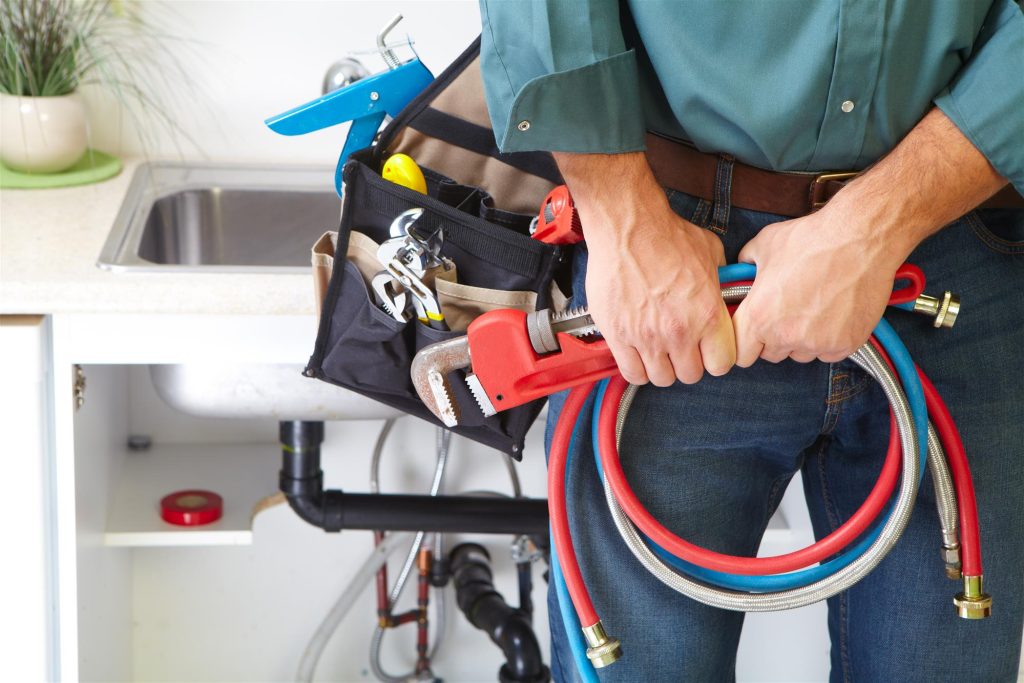
Scenario 1: The Joist-Destruction Failure
A plumber drills large holes through the center of floor joists to accommodate a 3-inch drain line, effectively compromising the structural integrity of the kitchen floor. The failure mode is localized floor sagging and vibration. The mitigation is a design phase requirement that ensures all plumbing paths avoid the critical mid-span zones of the joists or utilizes specialized, low-profile drainage components.
Scenario 2: The Siphon-Vent Disconnect
A designer installs an island sink without a proper vent, hoping an undersized air-admittance valve will suffice. During the dishwasher drain cycle, the sudden volume of water creates a vacuum that siphons the trap. The second-order effect is recurring sewer-gas odors. The structural solution is to re-route the drain to a wall-based venting system, demonstrating that aesthetic “cleanliness” cannot override physical venting requirements.
Resource Dynamics, Cost Structures, and Lifecycle Value
The economic reality of high-performance plumbing involves prioritizing the “invisible” infrastructure over the visible fixtures.
| Resource Category | Cost Driver | Complexity Index |
| Pipe Quality/Material | Long-term corrosion/fatigue resistance | Moderate |
| Venting Complexity | Architectural/Structural coordination | High |
| Installation Precision | Labor hours/Expertise level | High |
| Shut-off/Access Systems | Future repair/maintenance ease | Moderate |
Investment should follow the utility: prioritize the structural routing and venting. These are the elements that provide the system’s reliability. A reduction in faucet quality to accommodate a robust, code-exceeding venting system is almost always a superior long-term strategy for maintaining the home’s integrity.
Tools, Strategies, and Support Systems
The successful installation and long-term health of the system rely on a range of analytical and diagnostic tools:
-
Hydraulic Flow Audits: Using diagnostic software to simulate peak-load scenarios (e.g., sink and dishwasher draining simultaneously) to verify drain capacity.
-
Thermal Mapping: Scanning supply lines to ensure that hot and cold lines are properly separated to prevent heat transfer and condensation.
-
Access Point Mapping: Documenting the location of all critical shut-off valves and clean-outs in a digital plan for future maintenance.
-
Pressure Testing: Performing a rigorous, multi-hour air or water pressure test on all new lines before they are closed into the walls.
The Risk Landscape: Compounding Failure Modes
The failure of a plumbing system is rarely a sudden event; it is the accumulation of systemic oversights.
-
Friction Loss: The result of too many bends or undersized pipes, leading to slow drainage and increased pressure on the entire system.
-
The “Water-Hammer” Effect: Common in high-pressure supply lines where quick-closing valves cause shockwaves that can loosen joints over time.
-
Material Fatigue: The cumulative effect of chemical exposure or temperature cycling, leading to stress fractures in the pipe network.
Governance, Maintenance, and Long-Term Adaptation
A high-functioning plumbing system is a mechanical asset that requires formal management.
Establishing Maintenance Protocols
-
Periodic Flow Inspection: Inspecting sink drainage annually to identify any signs of sediment accumulation or “gurgling” that suggests a venting issue.
-
Joint/Fitting Validation: Checking accessible connections (e.g., under the sink or in the basement) for micro-leaks every 24 months.
-
Adjustment Triggers: Establishing clear thresholds for mechanical function, such as when the sink flow rate drops below the specified baseline, indicating a potential blockage in the aeration system.
A layered maintenance checklist should be provided to the homeowner, ensuring that the system’s health is monitored and preserved over the life of the kitchen.
Measurement, Performance Signals, and Analytical Evaluation
Success in plumbing design is measured by the silence and reliability of the system.
-
Leading Indicators: The ease of drainage during peak-load events and the complete absence of odors or noises from the vent system.
-
Lagging Indicators: The total lack of service-related repairs, and the longevity of the fixtures and pipe connections.
-
Qualitative Signals: The subjective sense of a “responsive” system, where water moves through the network cleanly and efficiently.
Documentation should include the “as-built” plumbing diagrams, a schedule of all installed pipe materials, and the results of the initial pressure and flow tests.
Common Misconceptions and Oversimplifications
-
The “Code-Minimum” Trap: Believing that meeting the minimum code requirements is the same as ensuring maximum performance. Code is a baseline, not a target.
-
The Disposal Overload: Attempting to use a garbage disposal to handle excessive food waste, which quickly overwhelms the diameter of residential drain pipes.
-
The “No-Vent” Aesthetic: Designing for a minimalist look that ignores the physics of drainage, resulting in inevitable venting failures.
-
Hardware Neglect: Ignoring the quality of the shut-off valves, which are the most common source of failure during simple sink repairs.
Strategic Synthesis and Future Engineering Pathways
Selecting the best plumbing configuration is fundamentally a balancing act between structural rigor, hydraulic efficiency, and maintainability. By prioritizing the invisible, structural-based requirements of the network, homeowners create a foundational asset that supports the evolving needs of their lives. The future of the domestic hydraulic hub lies in the integration of smarter, self-monitoring leak detection systems and the use of even more durable, chemically inert materials. Those who approach the kitchen plumbing system as a complex architectural problem rather than a set of hardware fixtures will achieve the highest degree of long-term utility, ensuring their homes remain high-performance environments for generations.