How to Plan Lighting Layout on a Budget: A Professional Guide
Lighting design functions as the invisible architecture of a domestic environment. It dictates how space feels, how inhabitants interact with their surroundings, and how visual depth gets perceived within a room. When approached without a rigorous plan, illumination often results in fragmented, harsh, or insufficient coverage that fails to support the intended use of the area. How to Plan Lighting Layout on a Budget. Mastering this discipline requires an understanding of how light behaves, how it interacts with surfaces, and how it can be orchestrated to achieve specific psychological and functional outcomes.
Developing a coherent plan requires moving beyond the selection of aesthetic fixtures. True lighting design begins with the identification of task requirements, the calculation of necessary lumens, and the strategic placement of light sources to create layers. This process involves a disciplined analysis of room geometry, ceiling heights, and surface finishes. By treating illumination as a foundational system rather than an afterthought, property owners can achieve professional-grade results while maintaining strict fiscal discipline.
The following analysis provides an editorial-grade framework for interpreting, organizing, and executing a sophisticated lighting strategy. It moves past surface-level advice to examine the systemic causes of poor illumination and the professional mechanisms for restoring visual harmony. This guide serves as a foundational resource for navigating the intricacies of light distribution, ensuring that homeowners can evaluate their design needs, protect their material investments, and preserve the long-term utility of their living spaces.
Understanding “how to plan lighting layout on a budget”
Defining “how to plan lighting layout on a budget” requires departing from the assumption that fiscal constraints necessitate a reduction in lighting quality. In professional design contexts, a budget-conscious strategy is defined by the ability to prioritize critical illumination zones while eliminating redundant or inefficient fixtures. Common misunderstandings often center on the belief that a higher number of fixtures guarantees better results. In reality, an excessive amount of light sources often creates visual clutter and unnecessary energy draw. The risk of oversimplification remains significant. Prioritizing decorative fixtures over core performance lighting usually leads to a compromised space that looks elegant but functions poorly.
A multi-perspective evaluation recognizes the lighting layout as a complex interface between engineering and human perception. Understanding the “best” layout necessitates a deep audit of these competing requirements. This allows for the identification of the exact equilibrium point where performance, aesthetics, and economic feasibility converge.
The Problem of Superficial Benchmarking
Evaluating a design based solely on the visual profile of lamps ignores the primary indicator of success: light layering. The functionality of any room is defined by the overlap of ambient, task, and accent lighting. An environment that relies upon a single, high-output fixture creates deep shadows and flat, uninteresting visuals. The most effective layouts support natural human movement patterns. They act as facilitators of productivity and comfort rather than visual centerpieces that dictate a compromised design.
Contextual Intelligence and Systemic Balance
Elite design practices demonstrate contextual intelligence by acknowledging that light is part of a larger architectural machine. If a room requires a task-oriented surface, it necessitates a focused integration of directional light sources. These must accommodate the user’s specific ergonomic needs without causing glare on work surfaces. Poor planning here can dominate the visual field and negate the sense of openness that the design was intended to provide. The optimal solution balances these technical requirements with the aesthetic aspirations of the home. It ensures that the layout reinforces the atmosphere of the space rather than complicating the installation.
The Evolution of Domestic Illumination Standards
The history of interior lighting tracks the trajectory of domestic life from simple central sources to complex, layered experiences. In the early 20th century, the “single pendant” served as the primary, often insufficient, center of activity. Actual tasks were performed under poor visibility conditions. As technology shifted toward more energy-efficient and affordable sources, the concept of lighting began to expand into a multifaceted system.
From Simple Source to Layered Experience
The shift toward LED technology emerged as a primary driver for consolidating complex illumination into flexible, affordable packages. It allowed for the visibility of architectural details during the evening process. This functional shift was supported by the standardization of fixture sizes and the refinement of dimming controls.
The subsequent move toward full open-concept living necessitated the evolution of the layout into a multifunctional architectural pillar. Rooms are now blurred into singular, flowing volumes. The layout now functions simultaneously as a primary guide for movement, a secondary support for specific work, and a central enhancer of mood. This evolution has transformed the lighting plan into the most mechanically complex element in the contemporary dwelling. The demand for layouts that can perform these varied roles has created a market for custom-engineered solutions. Technical precision is required to support the diverse needs of modern, high-functioning households.
Conceptual Frameworks for Spatial Visibility
To effectively specify a layout, designers and homeowners must apply mental models that prioritize functional performance and visual clarity.
The Lighting Layering Model
This framework requires mapping all primary, secondary, and tertiary light requirements within a space. The model dictates that there must be a balanced distribution between ambient, task, and accent layers. By treating each layer as a non-negotiable requirement, this model prevents the common error of overloading the ceiling with recessed cans. It ensures that the room functions as a facilitator of atmosphere rather than a static box.
The Utility Integration Hierarchy
This model classifies every fixture based on its mechanical needs. These include direct-output (task), diffused-scatter (ambient), and highlighted-focus (accent). The hierarchy dictates the plan’s electrical and logistical requirements. A task-heavy layout is essentially a building-integrated system. A purely ambient layout is effectively a simpler, soft-illumination design. Understanding this distinction remains vital for determining the level of professional support required before installation begins.
The Ergonomic Scale Analysis
This framework uses the physical dimensions of the users to define the optimal positioning for directional fixtures. It moves beyond standard-size assumptions. It acknowledges that light should fit the user’s specific workflow. For example, a workspace may require lower-positioned, focused lights to reduce eye fatigue. A lounging area might incorporate hidden, soft-output sources to create a more dynamic and inviting space for residents.
Taxonomy of Lighting Configurations and Performance Paradigms
Layouts can be categorized by their functional focus and their impact on the surrounding spatial volume.
| Configuration Category | Operational Focus | Structural Trade-off |
| Monolithic Ambient | General visibility | Requires even, wide-angle dispersion |
| Task-Centric Grid | Precise work focus | Demands accurate fixture placement |
| Accent-Layered Design | Artistic/Mood enhancement | Complex electrical circuiting |
| Modular Atelier | Flexible/Adjustable utility | Limited fixture power capacity |
Realistic Decision Logic
The selection of a configuration remains dictated by the building’s existing layout and the primary use case of the room. If the home footprint is small, a minimal, high-efficiency configuration provides necessary illumination without sacrificing the fluidity of the floor plan. In large, estate-scale renovations, a multi-zone configuration—one for service, one for social interaction—often provides the most effective way to manage the dual demands of high-performance work and casual, communal gathering. The goal is to match the layout’s intensity and focus to the scale of the room. This prevents a disconnect between the room’s function and the home’s architecture.
Real-World Scenarios: Analysis and Decision Logic How to Plan Lighting Layout on a Budget
Scenario 1: The Ceiling-Height Constraint
A homeowner aims for high-output recessed lighting in a room with very low, structural concrete ceilings. The failure mode involves localized glare and “hot spots” on the walls under the fixtures. This leads to visual discomfort. The mitigation is a design pivot toward wall-mounted, indirect light fixtures that reflect off the ceiling, installed during the construction phase to minimize structural interference.
Scenario 2: The Dimming Dilemma
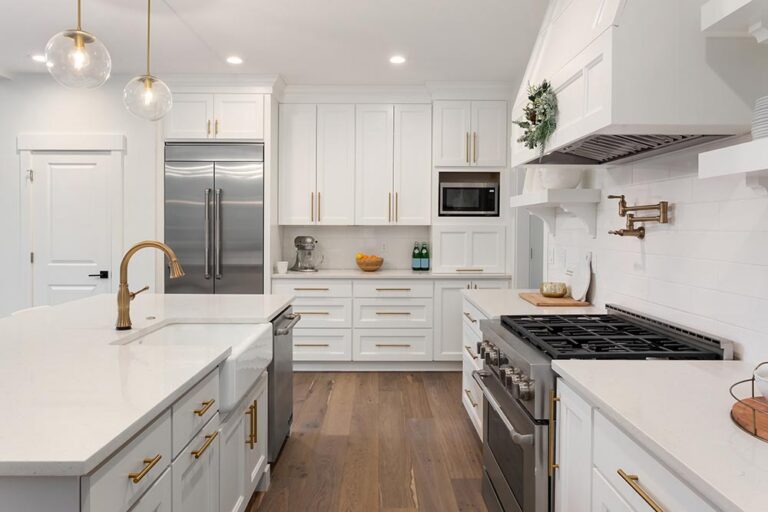
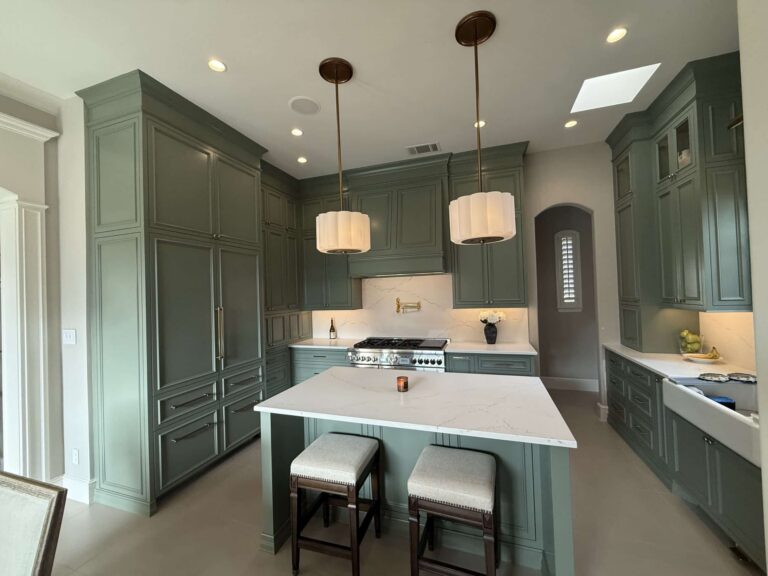
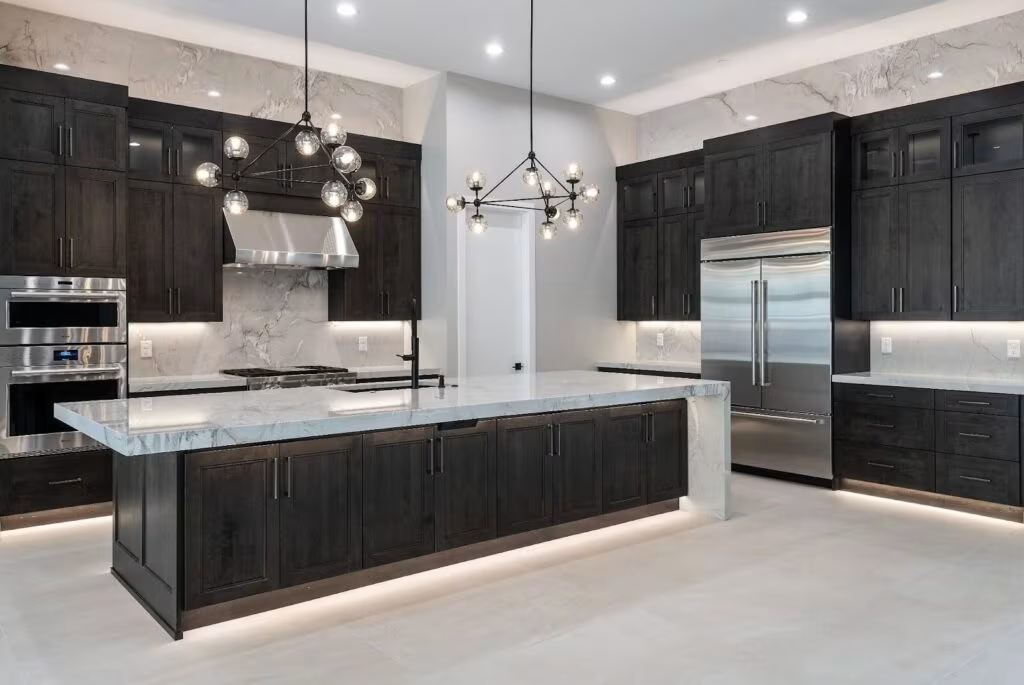
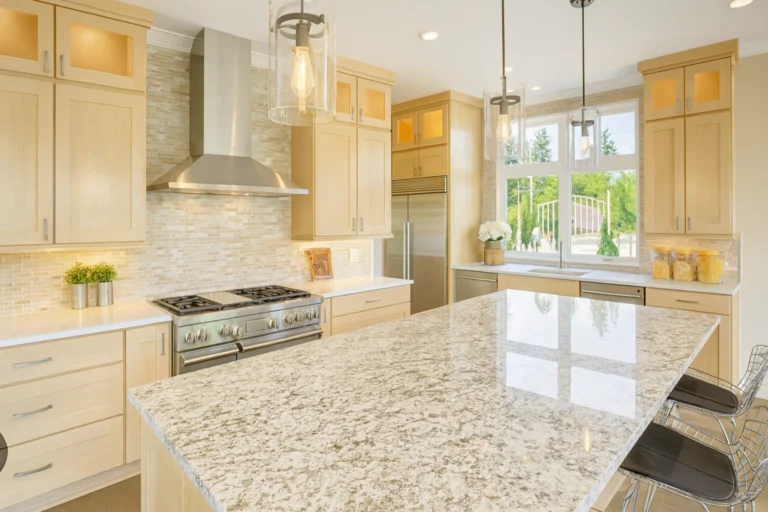
In an open-concept space, a large kitchen layout creates a massive switching hurdle. Installing high-performance dimmers can visually complicate the wall space, defeating the purpose of a clean look. The technical solution involves either a centralized, smartphone-controlled dimming system, which requires significant electrical-closet space for modules, or zoned, wireless-switch systems. Each option involves a significant trade-off in performance versus aesthetic impact.
Resource Dynamics, Cost Structures, and Value Engineering
The economic reality of high-end lighting requires a sophisticated strategy that accounts for more than just the fixture costs.
| Resource Category | Cost Driver | Complexity Index |
| Electrical Circuiting | Site-specific wiring runs | High |
| Fixture Quality | Component longevity and output | Moderate |
| Control/Dimming Systems | Automation and integration | High |
| Installation Labor | Trade skill and setup time | Moderate |
Investment should follow the utility: prioritize the layout prep and circuit integration. These represent the “invisible” elements that provide the system’s durability and output performance. A reduction in fixture decorative quality to accommodate a robust, dimmable circuit is almost always a superior long-term strategy for maintaining the asset’s value and utility.
Diagnostic Tools, Strategies, and Support Systems
The successful specification of a layout relies on a range of analytical tools.
-
Digital Floor-Plan Mapping: Confirming fixture locations against furniture plans ensures that the light source aligns with the usage area.
-
Flow Simulation Modeling: Using basic physical templates to mock-up fixture placement allows for a realistic test of the proposed visual coverage before finalizing the design.
-
Electrical Path Verification: Using specialized scanning tools to trace the path of all wires from the source to the light ensures no conflicts with existing framing.
-
Component-Level Output Audits: Calculating the lumens of every bulb and fixture section specifies the required circuit load precisely.
The Risk Landscape and Compounding Failure Modes
The failure of a layout is rarely a sudden event; it is the accumulation of systemic oversights.
-
Differential Glare: Occurs when fixtures are angled or positioned incorrectly, leading to harsh reflections on glossy surfaces.
-
The “Cave-Effect” Failure: Common in large rooms where the center is bright but the perimeter remains dark, causing a shrinking sense of space.
-
Circuit Fatigue: The cumulative effect of improper load balancing leads to the eventual failure of high-draw, multi-fixture chains.
Governance, Maintenance, and Long-Term Adaptation
A high-functioning lighting plan is a technical asset that requires formal management.
Establishing Maintenance Protocols
-
Periodic Output Inspection: Checking the color consistency and bulb health every 12 months accounts for normal technology degradation.
-
Mechanical Validation: Inspecting dimmers and switch connections for signs of excessive heat prevents long-term electrical decay.
-
Adjustment Triggers: Establishing clear thresholds for mechanical function, such as when flicker appears, requiring circuit or driver re-alignment to maintain the precision of the light’s quality.
A layered maintenance checklist should be provided to the property owner. This ensures that the system’s performance is monitored and preserved over the long term.
Measurement, Performance Signals, and Analytical Evaluation
Success in an open-concept lighting design is measured by the fluidity of the visual space.
-
Leading Indicators: The ease of interaction during multi-user events and the absence of dark, unusable “dead zones” in the layout.
-
Lagging Indicators: The long-term stability of the finish and hardware, and the total lack of service-related repairs to the control connections.
-
Qualitative Signals: The subjective sense of openness and flow, and the degree to which the system successfully draws the eye and encourages interaction without dominating the physical environment.
Documentation should include the structural load calculations, the circuit routing map, and a detailed schedule of the layout’s components for future maintenance needs.
Industry Misconceptions and Structural Oversimplifications
-
The “Recessed-Can” Obsession: While popular, the recessed can is often overused. It requires a higher degree of planning than softer, indirect light sources.
-
Seating/Task Capacity Overload: Designing for output that exceeds the room’s comfortable capacity creates a sterile, unusable zone.
-
Appliance Over-Integration: Attempting to put every control on one switch often results in a chaotic, inefficient mess of light levels.
-
The “Cheap-Bulb” Trap: Islands of light are not a substitute for the proper organizational planning of the primary room illumination.
Strategic Synthesis and Future Engineering Pathways
Selecting the best way to plan your lighting layout on a budget is fundamentally a balancing act between structural rigor, electrical efficiency, and ergonomic clarity. By prioritizing the structural and utility-based requirements of the illumination, homeowners create a foundational asset that supports the evolving needs of their lives. The future of the domestic hub lies in the integration of even more sophisticated, concealed controls and the use of sources that combine extreme performance with aesthetic refinement. Those who approach the light as a complex architectural problem rather than an aesthetic accessory achieve the highest degree of long-term utility. This ensures their homes remain high-performance environments for generations.