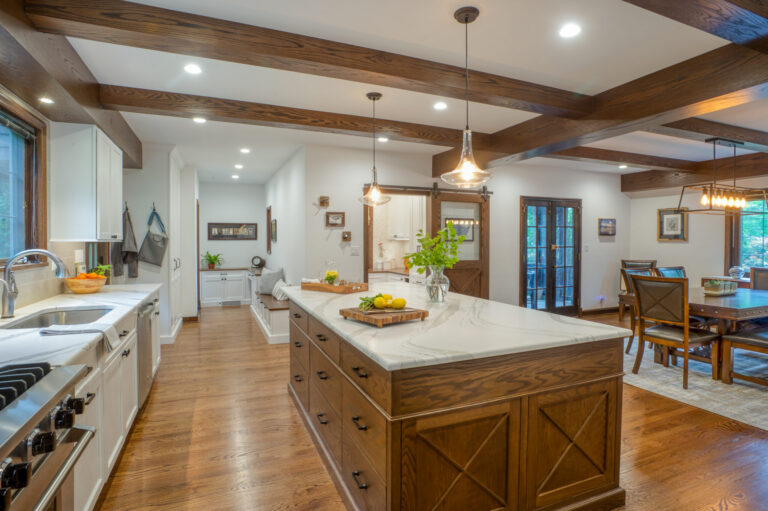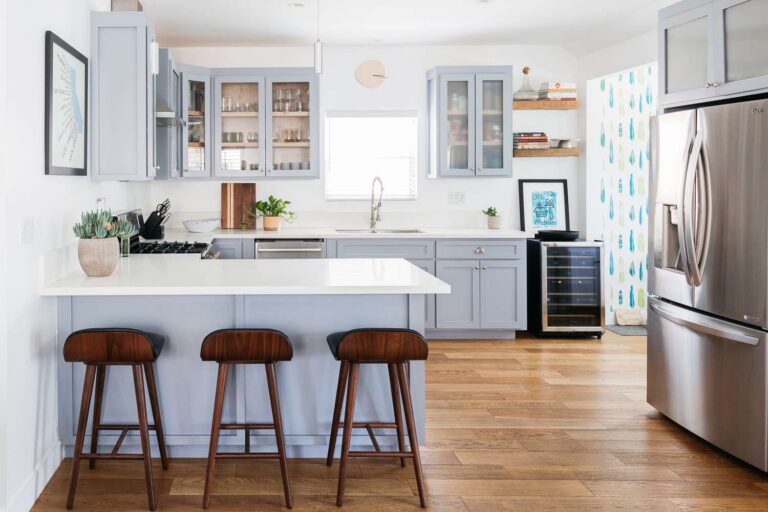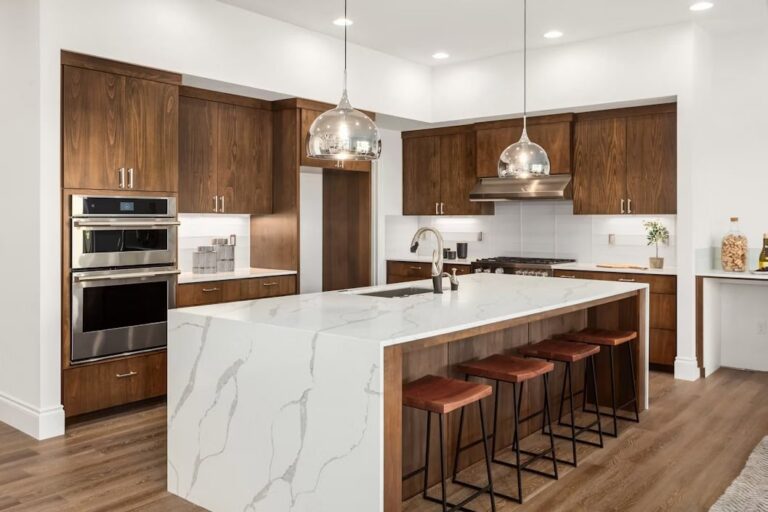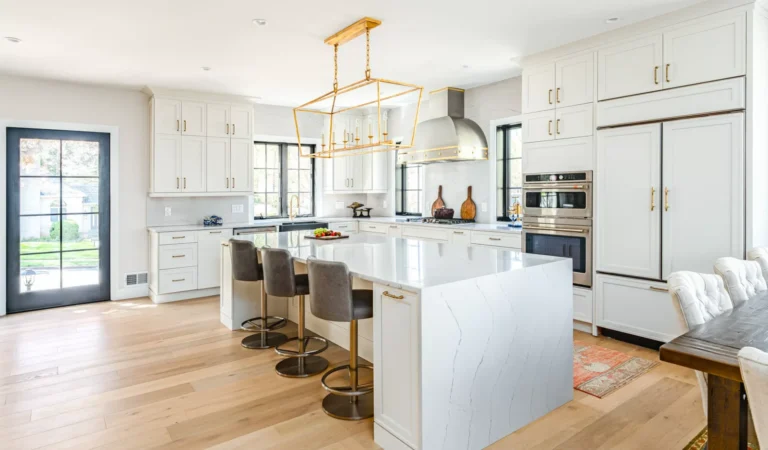
Compare Kitchen Countertop Materials: Engineering & Lifecycle Analysis
The optimization of interior work surfaces requires a deep understanding of material science, structural engineering, and practical usage patterns. When choosing a kitchen countertop surface, selecting a material determines how well the space handles thermal, chemical, and mechanical stresses over decades. This choice affects the functional efficiency of food preparation areas and dictates long-term maintenance costs. Compare Kitchen Countertop Materials. Selecting a material is more than a superficial style choice. It is an engineering decision that alters the durability and performance of a property’s food preparation zone.
Historically, interior architecture treated countertops as simple, passive surfaces meant only for basic food prep. Modern design has changed this view, treating the countertop as a highly active workspace that must interface with built-in appliances, heavy cook-ware, and harsh chemical cleaning agents. Because these surfaces are constantly exposed to water, thermal shock from hot pots, and mechanical impact from knives, a material must adapt to the specific physical demands of its environment. This practical reality requires a detailed analysis of material performance metrics before finalizing layout and manufacturing specifications.
A successful kitchen installation depends on understanding how different raw materials behave under environmental stress. Miscalculating porous boundaries, tensile strength limits, or chemical vulnerabilities can cause early surface failure. This forces premature replacement, drives up lifecycle costs, and can compromise food safety. Consequently, evaluating these options requires looking past marketing buzzwords and focusing on the underlying physics and mineral structures of each surface class.
This study analyzes the mineral compositions, mechanical profiles, and structural behaviors that govern modern countertop installations. By focusing on thermal limits, chemical resistance, and long-term adaptation, this guide provides a definitive reference framework. It helps architects, interior designers, and property owners who need to evaluate, plan, and maintain highly durable residential work surfaces.
Understanding “compare kitchen countertop materials”
The phrase “compare kitchen countertop materials” is frequently oversimplified in consumer media and retail showroom literature. It is often reduced to a basic visual comparison between different granite patterns or a superficial debate over which material looks most modern. Within the context of professional interior architecture and material engineering, however, the concept demands a far more rigorous definition. It represents a systematic evaluation of physical properties, lifecycle maintenance needs, and performance limits within a defined residential or commercial environment. This evaluation must occur without ignoring the structural requirements of the cabinetry or local environmental safety rules.
A complete comparison process looks past marketing claims to evaluate the ratio of surface hardness to impact flexibility. A specific stone may provide an exceptionally high score on the Mohs hardness scale, yet fail completely in practice because its brittle crystalline matrix makes it prone to edge chipping along undermount sink cutouts. Therefore, executing a genuine comparison requires identifying the specific mechanical and chemical vulnerabilities of each material class rather than relying on generalized sales brochures.
When evaluating these surfaces, planners often mistake a high initial price tag for intrinsic durability. Rare, exotic quartzites may command premium market prices due to shipping logistics and quarry scarcity, yet remain vulnerable to acid etching from simple citrus juices if left unsealed. Conversely, an engineered composite with a lower material cost can achieve superior stain resistance and higher tensile flexibility under demanding use. Implementing these material strategies requires balancing complex structural trade-offs. For example, selecting heavy, two-inch thick solid concrete slabs provides unique design flexibility, but it requires reinforcing the subfloor and base cabinetry to handle the massive dead load safely.
The Structural and Industrial Evolution of Work Surfaces
The organization of residential food preparation surfaces was largely dictated by local geography and basic utility prior to the twentieth century. Early domestic spaces relied on standalone wood tables, slate blocks, or zinc-clad work benches. These surfaces were selected for their immediate accessibility rather than uniform material standards. This fragmented approach shifted with the onset of modern industrial manufacturing and the systematic tracking of kitchen hygiene and food safety.
The foundational shift toward integrated, continuous countertops occurred during the mid-twentieth century with the development of high-pressure decorative laminates. This innovation bonded synthetic resins with kraft paper under intense heat and pressure, creating smooth, non-porous surfaces that could span long cabinet runs without seams. This advancement transformed residential kitchens by providing a affordable, easy-to-clean alternative to porous wood or tile grout lines. It proved that engineered materials could drastically reduce maintenance labor while improving sanitary conditions in the home.
During the building expansion of the 1980s and 1990s, extraction technologies and international shipping logistics advanced to support the widespread distribution of natural quarried granite. This era introduced mass-scale diamond wire saws and automated polishing lines, allowing quarry operators to turn raw stone blocks into uniform, highly polished slabs for residential use. However, because sealing technologies were primitive during this phase, installations often suffered from unpredictable stain absorption and oil penetration. This highlighted the performance gap between raw, unmanaged natural minerals and controlled synthetic surfaces.
Today, the planning of work surfaces faces a major shift driven by advanced engineered composites and the development of large-format sintered stones. Modern lifestyles have removed the boundaries between cooking areas and main living spaces, meaning countertops must handle heavy daily food prep while serving as a primary visual element. This high visibility requires materials to offer both high performance and design versatility. As a result, contemporary material selection has evolved from choosing basic natural stones to engineering advanced composites that minimize seams, eliminate porosity, and resist extreme thermal shocks.
Material Science Frameworks and Performance Models Compare Kitchen Countertop Materials
To successfully analyze and compare kitchen countertop materials across diverse architectural conditions, designers must look past subjective aesthetics. They should rely on established frameworks rooted in mineralogy and materials science.
The Mohs Hardness Scale
The Mohs hardness scale provides a foundational framework for evaluating scratch resistance. This scale ranks minerals from 1 (talc) to 10 (diamond) based on their ability to scratch another material.
When analyzing work surfaces, understanding where a material falls on this scale helps predict how it will handle contact with stainless steel cutlery (which sits around 5.5 to 6 on the scale). Natural stones containing high volumes of quartz (Mohs 7) will resist knife scratches easily, whereas marble (composed primarily of calcite, Mohs 3) will scratch under minimal pressure from daily prep tools.
Porosity and Absorption Coefficients
The Absorption Coefficient model evaluates a material’s vulnerability to liquid penetration and staining. Porosity is measured by calculating the percentage of a material’s total volume that consists of open pore spaces.
Natural igneous stones like granite feature varying pore networks that require chemical sealants to block liquid entry. In contrast, engineered quartz composites use vacuum-vibrated polymer resins to fill all internal voids, achieving an absorption rate near zero. This metric directly determines how well a surface resists bacterial growth and deep organic staining over time.
The Thermal Shock Boundary
The Thermal Shock Boundary model defines a surface’s ability to handle rapid, localized temperature changes without cracking or delaminating. When a hot pan is placed directly onto a cool countertop, the localized area expands rapidly while the surrounding material stays compressed.
Materials with high thermal conductivity and low thermal expansion coefficients handle this stress well. Conversely, resin-bound engineered stones can suffer surface scorches or structural cracks if exposed to temperatures that melt or destabilize their internal polymer binders.
The Acid Discoloration Matrix
The Acid Discoloration Matrix explains chemical vulnerabilities, particularly how calcium carbonate-based minerals react with acidic substances like lemon juice or vinegar. This reaction causes acid etching, which physically dissolves the top layer of the stone and leaves dull, matte spots on polished surfaces.
This framework separates chemically inert silicate minerals (like quartz and granite) from reactive carbonate minerals (like marble and limestone). This allows designers to predict surface alterations based on the chemical environment of the kitchen.
Comprehensive Taxonomy of Work Surface Materials
Work surfaces are not uniform. To deploy capital and structural resources effectively, countertops must be categorized by their mineral compositions, manufacturing methodologies, and structural behaviors. Each category features unique performance trade-offs that dictate its suitability for a given residential environment.
Natural Granitic Stones
Natural granite is an igneous rock formed by the slow crystallization of magma below the Earth’s surface. Composed mainly of quartz and feldspar, it offers excellent resistance to heat, scratches, and everyday impact.
The primary advantage of granite is its exceptional durability and unique, natural patterning. The main trade-off is its inherent porosity, which requires applying chemical sealants every one to two years to prevent oil and water stain absorption.
Quartzite Slabs
Natural quartzite is a non-foliated metamorphic rock that develops from the intense heating and pressurization of sandstone. It provides a highly durable surface that often resembles the elegant veining of marble while matching or exceeding the hardness of granite.
The primary engineering challenge centers on fabrication; quartzite’s extreme hardness requires specialized diamond tooling and slower cutting speeds. This increases labor costs and fabrication budgets significantly.
Calcitic Marbles
Marble is a metamorphic rock composed of recrystallized carbonate minerals, most commonly calcite or dolomite. It is favored by designers for its classic, soft veining and bright white backgrounds.
However, marble is highly sensitive to acid etching and scratching due to its soft mineral composition. It requires meticulous maintenance and an acceptance of natural surface aging, often referred to as a patina, over time.
Engineered Quartz Composites
Engineered quartz surfaces are manufactured by combining roughly 90% to 93% crushed natural quartz aggregates with polymer resins and color pigments under intense vacuum pressure. This process creates a non-porous, highly uniform slab that completely eliminates the need for periodic sealing.
The primary limitation involves temperature limits; the internal resin binders can scorch or crack if exposed to direct heat above 300°F, requiring the permanent use of trivets.
Sintered Stones and Ultra-Compact Surfaces
Sintered stone surfaces are manufactured using advanced industrial technology that mimics the natural metamorphic process. Raw minerals like silica, quartz, and clay are subjected to extreme pressure and heated to temperatures near 2200°F.
This process fuses the minerals without resin binders, creating an ultra-compact slab with zero porosity and near-perfect heat resistance. The primary trade-off is its brittle nature; the lack of resin makes the sharp edges prone to impact chipping if struck by heavy cast-iron cookware.
Solid Surfaces
Solid surface countertops are manufactured by blending acrylic or polyester resins with mineral fillers like aluminum trihydrate. These materials can be thermoformed and joined with matching liquid adhesives to create seamless runs and integrated sinks.
While solid surfaces are non-porous and easy to repair through light sanding, they scratch easily under daily knife use and have low heat resistance compared to mineral-based stones.
Glazed Slabs and Alternative Formats
Large-format ceramic and porcelain slabs offer high stain and heat resistance, making them excellent choices for modern, minimalist designs. These formats utilize digital printing technology to mimic natural stone patterns on a thin, high-density clay base.
The main engineering challenge involves subfloor preparation; these thin slabs require a perfectly flat, deflection-free sub-base to prevent structural cracking under heavy loads.
| Material Class | Primary Structural Advantage | Core Performance Vulnerability | Density Profile | Heat Boundary Limit | Maintenance Rigor Class |
| Natural Granite | High scratch and heat resistance | Porous matrix requires sealing | High | 1200°F | Periodic (Annual) |
| Natural Quartzite | Exceptional hardness and durability | Brittle crystalline chipping risk | High | 1100°F | Periodic (Annual) |
| Calcitic Marble | Classic, high-end aesthetics | Acid etching and soft scratching | Moderate | 800°F | Strict (Continuous) |
| Engineered Quartz | Non-porous, zero sealing needed | Polymer resin scorching risk | High | 300°F | Low (Minimal) |
| Sintered Stone | Complete stain and heat immunity | Edge chipping under high impact | Ultra-High | 2000°F | Low (Minimal) |
| Solid Surface | Inconspicuous seams, easy repair | Low scratch and heat boundaries | Low-Medium | 250°F | Moderate (As Needed) |
| Porcelain Slab | High UV and chemical stability | Backing deflection vulnerability | High | 1500°F | Low (Minimal) |
Evaluating which material option to implement requires a logical assessment of how the space will be used. A high-volume kitchen that handles frequent cooking, hot pans, and heavy traffic should use natural granite or sintered stone to protect surfaces from thermal damage. A kitchen focused on low-maintenance daily use and simple cleanup is better suited for an engineered quartz composite, allowing users to avoid regular sealing schedules while maintaining strong stain protection.
Real-World Architectural Scenarios and Environmental Pressures Compare Kitchen Countertop Materials
Scenario 1: The High-Volume Commercial Test Kitchen
In a commercial-style residential test kitchen that operates ten to twelve hours a day, the work surfaces handle continuous environmental stress. This includes boiling liquids, high-impact meat preparation, and acidic marinades left on the counters for hours. Choosing a soft calcitic marble in this environment would lead to rapid surface degradation, widespread acid etching, and deep organic stains within weeks.
The optimal selection is a 2cm thick sintered stone surface mounted over a reinforced base cabinet network. This ultra-compact format resists acid penetration and handles hot pans placed directly onto the surface without scorching.
A secondary failure mode can emerge if installers cut sharp, 90-degree internal corners around the cooktop cutout. To prevent structural cracking from vibration, fabricators must use a minimum 1/4-inch radius curve at all internal corners to distribute mechanical stress evenly.
Scenario 2: The Multi-Generational Family Space
A suburban kitchen renovation serves a multi-generational family where young children and elderly relatives use the island for cooking, crafts, and school projects. This usage pattern guarantees frequent spills of school glue, vibrant fruit juices, and oil-based paints. If natural white quartzite is selected, any delay in cleaning up a spill could allow liquids to penetrate the unsealed stone, creating permanent dark shadows.
The appropriate selection here is a premium engineered quartz composite. Its resin-bound, non-porous structure blocks liquid absorption, allowing food and craft spills to be wiped clean with standard soap and water.
The primary thermal limitation requires placing a dedicated cork or silicone trivet station next to the built-in wall ovens. This ensures that hot baking sheets are never dropped directly onto the resin-bound surface, preventing permanent ring scorches.
Scenario 3: The Outdoor Coastal Culinary Pavilion
An outdoor kitchen pavilion located in a coastal environment is exposed to direct sunlight, ocean salt air, and winter freeze-thaw cycles. Installing an engineered quartz countertop in this scenario represents a significant failure risk. The UV rays from sunlight break down the internal polymer resins, causing the material to yellow, fade, and warp within two seasons.
The ideal material choice for this outdoor installation is a unpolished natural granite or a thick porcelain slab. These materials are UV-stable and contain no synthetic binders, allowing them to handle temperature swings and weather exposure without structural degradation.
To secure this outdoor installation against shifting soils, the fabrication team must leave a 1/8-inch expansion joint filled with structural silicone where the stone meets adjacent masonry walls. This flexible barrier prevents the stone from binding and cracking during seasonal movement.
Financial Architecture, Capital Allocation, and Lifecycle Costs
Evaluating the financial feasibility of a countertop installation requires moving past basic material cost-per-square-foot estimates. Initial retail pricing often overlooks hidden fabrication expenses, such as automated waterjet cutting fees, intricate edge profiling labor, unexposed undermount sink polishing, and on-site crane delivery logistics.
To allocate capital effectively, financial tracking should separate costs into clear categories. This allows project managers to balance material longevity against immediate budgetary limits.
The total cost of an installation includes raw slab procurement, specialized fabrication labor, and long-term maintenance expenses. Investing in premium engineered stone or natural silicates carries a higher upfront cost, but it provides significant financial advantages over time. It extends the functional service life of the kitchen, reduces the risk of structural cracking, and eliminates the regular resurfacing costs tied to softer, more fragile materials.
| Material Category | Procurement Class | Fabrication Labor Index | Expected Lifespan (Years) | Hidden Installation Costs | Asset Value Retention |
| High-Pressure Laminate | Low | Low | 7–12 | Edge-banding adhesive failures | Low |
| Solid Surface Acrylic | Medium | Moderate | 15–20 | Specialized seaming adhesives | Moderate |
| Engineered Quartz | Medium-High | High | 25–35 | Miters and custom seam matching | High |
| Natural Granite | Medium-Extreme | High | 50–100+ | Periodic re-sealing compounds | Ultra-High |
| Sintered Ceramic | High | Extreme | 40–60+ | Specialized diamond tooling wear | High |
Diagnostic Tools, Technical Strategies, and Fabrication Aids
Modern countertop planning has moved far beyond basic tape measurements and hand-cut cardboard templates. Finding hidden structural anomalies and avoiding layout errors requires a combination of digital diagnostic software, physical testing kits, and precise measuring instruments.
-
Digital Laser Photogrammetry Systems: Systems like LT-2D3D allow fabricators to create high-precision digital maps of a room’s perimeter. This hardware records wall irregularities, un-plumb corners, and appliance alignments, ensuring the final slab nests tightly against the walls without excessive site-shaving.
-
Non-Destructive Ultrasonic Thickness Gauges: Handheld diagnostic tools that measure slab thickness variations across a stone run. This testing ensures that natural stones meet structural specifications and contain no hidden interior fissures or thin spots that could fail during transportation.
-
Acid Reactivity Spot Testing Kits: Chemical testing sets that use weak hydrochloric acid solutions to verify a stone’s true mineral taxonomy. Dropping a small amount onto a sample piece identifies whether a stone labeled as “hard quartzite” actually contains reactive calcite deposits that will etch in daily use.
-
Colorimeters and Spectrophotometers: Digital optical instruments used to verify color consistency across separate slab lots. This testing ensures that matching seams on large L-shaped configurations or extended islands display uniform background tones and vein alignments.
-
Pneumatic Suction Seam Setters: Specialized mechanical leveling tools used during installation to pull opposing stone slabs together. These devices use vacuum pressure and micro-adjusting screws to ensure seams remain perfectly flat and tight while epoxies cure.
-
Water Absorption Telemetry Chambers: Laboratory testing devices used to establish the exact baseline porosity of a natural stone lot. This data allows installation crews to determine the appropriate chemical weight and depth of sealer required to protect the stone.
Risk Landscape and Compounding Surface Failure Modes Compare Kitchen Countertop Materials
Large-scale countertop installations can introduce structural and functional vulnerabilities if planned without considering broader environmental factors. When design teams specify material layouts without analyzing the mechanical limits of the stone, they often trigger compounding failure modes. For example, placing a heavy undermount cast-iron sink beneath a brittle, 2cm thick granite slab without an independent steel support cradle can create a severe failure risk. Over time, the weight of a full sink pulls down on the stone cutout, causing hairline stress fractures to develop around the mounting clips. These fractures can spread rapidly across the main prep deck until the stone cracks completely.
The practice of cutting long, continuous stone runs with tight 90-degree inside corners poses mechanical risks as well. If a home experiences natural foundation settling or seasonal expansion, stress concentrates directly at the sharp vertex of that corner. Without an engineered radius curve to distribute this movement, the stone will relieve the pressure by tearing itself apart, creating a major fracture that runs from the cooktop cutout to the front edge of the cabinet box.
Furthermore, poor thermal planning around under-counter ice machines or built-in wine coolers can cause condensation issues. If these cooling units lack adequate rear ventilation, they trap moisture beneath the slab. On porous natural stones like marble, this continuous moisture exposure can cause efflorescence, drawing dissolved salts up through the stone matrix and leaving white, powdery mineral crusts that permanently ruin the polished finish.
Preservation Governance, Sealing Cycles, and Restoration Protocols
An effective countertop installation should not be treated as a unalterable asset. It operates as a material system that requires regular monitoring and care to preserve its stain resistance and finish over decades.
High-use zones around sinks and ranges handle continuous moisture and chemical cleaning exposure, which can strip away protective sealants and expose the mineral core to deep stains. To counter this natural wear, property owners should implement a structured maintenance cycle to preserve surface performance.
A layered preservation checklist ensures that material integrity is maintained across all work surfaces:
-
Porous Natural Stones: Execute a water droplet test every six months; if water absorbs within five minutes, clean the stone with a pH-neutral cleaner and apply a fresh coat of silane-based penetrating sealer.
-
Engineered Composite Units: Inspect all epoxy-filled seams annually for micro-fissures or adhesive separation, and clear out embedded oils along cooktop edges with non-abrasive degreasers.
-
Polished Calcitic Matrices: Monitor high-use preparation zones monthly for acid etching, and use light marble polishing powders to remove superficial matte spots before they penetrate deeper into the stone.
-
Mechanical Edge Profiles: Inspect the perimeter edges around dishwashers every twelve months for impact chips, and use matching ultraviolet-curing acrylic resins to fill and smooth any damaged profiles.
Measurement, Tracking, and Spatial Evaluation Metrics
Evaluating material performance requires moving past simple visual inspections. Accurate tracking relies on objective metrics that isolate genuine wear from expected aging patterns.
Leading indicators include water droplet contact angles, gloss retention scores, and seam width consistency. These metrics offer real-time data on whether a surface’s protective barrier is holding up, ensuring that unmanaged wear does not turn into permanent staining or structural cracking.
Lagging indicators, such as deep oil penetration depths or localized resin yellowing from hidden heat leaks, provide an empirical measurement of material success over years of use. To preserve data integrity, design teams can maintain comprehensive project records during the installation phase. For example, a porosity ledger might record the fluid absorption rate of a natural stone sample before installation.
An appliance clearance log can track the ambient temperature fields beneath counter-mounted cooktops. Finally, an installation ledger records the exact chemical composition of the structural epoxies used at the seams, ensuring that future restoration crews can select matching compounds if repairs are ever required.
Material Misconceptions and Industrial Oversimplifications
The public discussion around kitchen countertops is filled with persistent myths that run counter to mineralogy and engineering reality. The belief that all natural quartzite slabs are completely immune to scratching and etching is a common oversimplification. While pure quartz is highly resilient, many commercial quartzite quarries contain hidden veins of softer calcite. If these calcite deposits are exposed on the surface, they will react with acidic juices and leave etched matte spots despite the stone being sold as a ultra-hard quartzite.
Similarly, the idea that engineered quartz surfaces are completely indestructible ignores basic polymer chemistry. While these composites resist staining without sealants, their resin binders are sensitive to thermal shock and chemical yellowing. Using harsh oven cleaners or abrasive scouring pads can dissolve or dull the surface resin, creating permanent cloudy patches that require mechanical regrinding to fix.
Another common misconception is that dark granites and light granites share identical performance profiles. In reality, dark igneous stones like Absolute Black are exceptionally dense and have near-zero absorption rates, making them naturally stain-resistant without frequent sealing. Light granites, by contrast, feature more open, porous mineral structures that require regular sealing to prevent water and oil penetration.
There is also a mistaken belief that installing thick 3cm stone slabs removes the need for perimeter cabinet support. While thicker stone resists bending better than 2cm options, it adds massive dead weight to the cabinets, making flat, leveled base rails essential to prevent structural cracking over time.
Supply Chain Ethics, Extraction Contexts, and Sustainability Compare Kitchen Countertop Materials
The materials specified for modern countertop installations rely on global supply chains that face significant environmental and ethical challenges. The extraction of natural stone blocks requires deep open-pit quarrying that alters local topography, impacts groundwater tables, and generates substantial mineral waste if unmanaged.
Furthermore, transporting heavy stone slabs across international shipping lanes creates a significant carbon footprint. This environmental debt must be balanced by specifying materials built for long-term durability.
True environmental planning must look past surface aesthetics and evaluate the entire lifecycle of the work surface. This means prioritizing durable materials that resist early replacement, reducing the need for future resource extraction.
Selecting engineered composites that utilize recycled glass or manufacturing byproducts helps reduce raw mineral mining. Additionally, verifying that fabrication facilities use closed-loop water filtration systems ensures that stone cutting processes do not contaminate local water supplies with fine mineral dust.
Strategic Synthesis and Future Material Pathways
Successfully selecting a countertop material requires looking past temporary design trends and focusing on a long-term, systems-level approach to kitchen architecture. Property owners cannot achieve lasting durability through impulsive aesthetic choices or uncoordinated material specifications.
Real, long-term performance demands an intellectually honest selection strategy. Compare Kitchen Countertop Materials. This strategy must respect the physical and chemical limits of the chosen material, adapt to the real-world cooking habits of the household, and establish a clear balance between initial capital costs and ongoing maintenance needs. Comparing kitchen countertop materials is a continuous discipline that connects mineral science with daily human habits and proactive asset management.
Looking forward, the evolution of residential work surfaces will be driven by the transition toward smart, responsive environments. As homes integrate advanced touch controls and induction systems directly into living spaces, countertops will evolve from passive prep surfaces into active technological interfaces.
The most successful installations will be those designed for long-term adaptability—frameworks that incorporate invisible under-slab induction cooking zones, utilize self-healing companion coatings, and maintain strong structural resistance to handle changing cooking technologies over decades.